

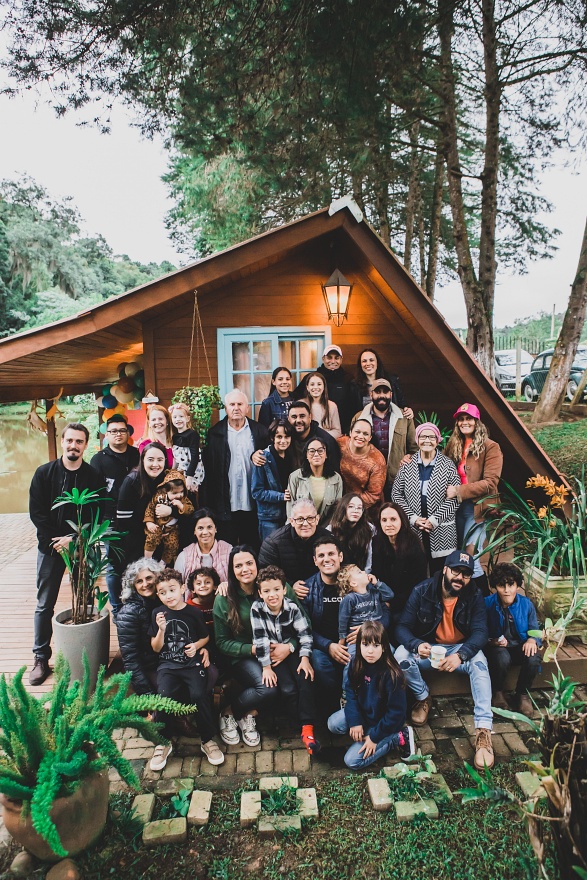
Seeing my neighbors reminded me what community truly is—a tight-knit family always there for each other. Living close makes that possible, unlike the cultural norm of separation.
I reflected on my childhood: Was I shown how I fit into the bigger picture? Did I learn to be a better person, develop resilience, or understand genuine relationships? What examples did I have to imitate?
Then I look around me. How many people in our culture see each other as an integral part of their own world? Are they selfish, or do they have compassion?
And how do they see themselves?

In a previous article1, I emphasized that understanding others starts with accepting ourselves, balancing different perspectives, and embracing strong feelings without requiring others to agree. This is essential for meaningful conversations and healthy relationships.
As children learning to navigate life, we’re taught which behaviors are acceptable and which aren’t. We’re often told to suppress our feelings and opinions, leading us to doubt ourselves and distrust those meant to be our allies.

In many cultures outside the West, child-rearing focuses more on the individual than on behavior. People are shown greater patience and acceptance, with less emphasis on the disciplinary methods common in Western societies.
Most families from other cultures are closer than those in the West. Here, we tend to dismiss our parents, rush to escape home life, chase independence and self-reliance, and build emotional walls to shield ourselves from insults and rejection. Instead of facing storms and persevering, we prefer comfort and self-indulgence.
Families rarely stay together or remain in the same area for long. We move for better jobs and more money, follow peers instead of elders, and chase personal desires to avoid hardship, thinking it’s a better life.

But is it?

Western citizens share a distinct trait: a love of independence and individuality. Without a unifying rallying point, there is no unity. And when that event or idea withers on the vine, as it always does, the unity disperses.
In the east, survival is a greater concern, naturally fostering the need for security and community. Without community, the lone wolf—relying solely on themselves—perishes.
So what has this to do with family?

The family is man’s original community—where people of all ages share stories, learn to connect with each other and their environment, and build character. They support each other through life’s hardships, whether war, environmental disasters, or emotional misunderstandings. It fosters resilience and endurance, rooted in the assurance that someone is always there for support. And they face life’s challenges together.
When we are alone or have been taught to distrust our feelings and uniqueness, we tend to gravitate toward those outside our families—gangs, trends, or crowds, until they become tiresome or offend us. We judge others by their outward behaviors rather than their inner selves. We’ve stopped caring about the “other person,” focusing instead on our own needs rather than the collective good.
The family that prays together stays together…maybe
That is a western saying. And it isn’t always true.

It isn’t about doing one action together that will bind each other together. It is how we treat each other over the long haul. If we are truly treating each other “like we want to be treated” and not how we perceive them by their outward behaviors, we miss the point.
Learning how to get along is the first step. And we learn that by watching our parents.
The family that sticks closest to each other are those who embrace the beauty of each of the individuals who make up that group. They see what is on the inside, not the outside. Those who have rough edges or negative viewpoints often have had bad experiences in their past. And those closest to them will look beyond those behaviors to see the person beneath the surface.

If you want a close relationship, begin at home.
It doesn’t start with your neighbor in the cubical next to yours. It starts with your parents, siblings, aunts, uncles, grandparents. It grows to encompass the extended family found in such settings as a stable church or community organization.
But it goes further. To achieve this, you must first respect yourself—know your strengths and weaknesses, and commit to continuous self-improvement2. Your self-reflection shapes how you perceive those around you.
If your family only focused on “fixing your behavior,” now is the time to unlearn those old tapes and rewrite your story for a better life. How you treat and view yourself dictates how you’ll treat others.

Then build that same resilience you are learning in your children. Bridge the gap created by your own attitudes in the past by displaying your new self. Draw closer to those who should be your support. And if they refuse, let it go. You can begin building a new community around you by respecting each of them, learning who they really are deep down, and building new bonds with those whom you can support and who will be there for you.
Families are the building blocks of community. Deep friendships begin at home. But even if you think it’s too late to start repairing the broken ties, remember that you are never too old to learn. And you are never to old to build new bridges…ones that will last.
Learn to embrace your family. Even if they shut the door, understanding what drives their behavior is half the battle. It’s the first step toward healing past wounds and creating hope for a new beginning.
FOOTNOTES:
1 – See article, the purpose of dialogue, published August 17, 2026.
2 – See article, learning to manage our behaviors, published August 31, 2026
We love to hear your input! Please leave a comment.