

Digital technology. It’s been around for less that 80 years in it’s current, electronic form. Yet, for whatever reason, young adults act like it has existed since before the dawn of time. Anyone who doesn’t have the latest and greatest cell phone or want to get into using the latest technological device is just…well, stupid.
At least that’s the look some of us get.
But maybe it’s good to be so connected – at a distance – all the time…right?
I’d argue that we are not. And for good reason.
Workplace reality
When I worked in corporate settings, the one universal complaint heard from managers was that the young adults who freshly entered the workforce couldn’t relate to a person face-to-face.
…the young adults who freshly entered the workforce couldn’t relate to a person face-to-face.
At meetings, they didn’t talk. Their only means of communication had to be through email or text.
That was how they’d grown up interacting with their friends. So why should it be different in a workplace?
But what about our personal lives?
At restaurants, it is difficult to find people sitting together at a table without a device in their hand. Even the children are plugged into a tablet playing games. Do they even pay attention to what they are eating?

Group gatherings, shopping in stores, even at houses of worship. Human beings are more conversant with their tiny computers than they are with the people who are standing around them.
As for gathering materials for research, people don’t seem to remember how to research anything using physical books or literature any more, if they can even be found now. Doing research without Wikipedia or Google seems like a step back in time.
Even Library shelves are nearly empty as they force their clients to read book online.
Only the World Book Encyclopedia prints out their volumes each year. All the others have retreated to the digital sphere.
It is as though we are being driven to use our devices whether or not we want to.
What has been the result?

The influence these devices have had on our minds, opinions, and decisions in all aspects of our lives is incredible. Elections are won or lost, positions regarding international relations and medical decisions, all are influenced by the social media choices we are drawn to.
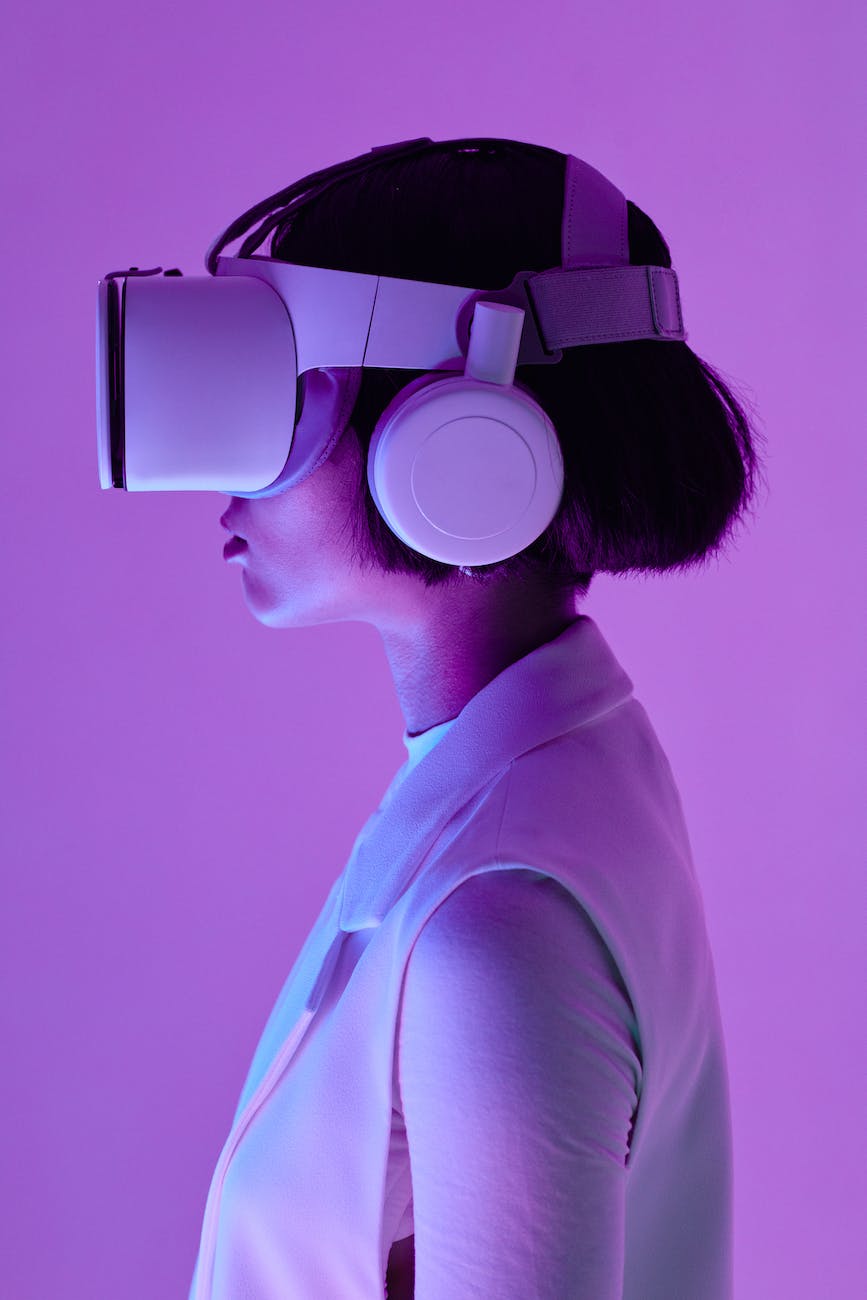
Additionally, there now appears to be a shift to try to take people out of reality and into make-believe. “Augmented” reality, it is called. Retailers are all onboard, trying to get customers to “try out” their new kitchen cabinets using virtual reality.
Game developers and marketing platforms are trying to sell us on the idea that we can change our environment by looking at things through the use of computer vision technologies.
The Matrix coming to life.
Then there’s cashless transactions…
I remember decades ago how writing checks was vilified in ad campaigns that championed the use of credit cards. Just a quick swipe and you are checked out! But writing a check? Using cash? That just held up transactions – an inconvenience for everyone.
Then suddenly there was a news media blitz that tried to bring fear into the hearts of consumers. “Your checks aren’t safe. They are being stolen right out of your mailboxes! People are using them to steal your money. Use a credit card instead. It’s virtually safe from theft!”
But they weren’t. Credit card theft from skimmers, pocket hacking devices, and internet theft has risen astronomically. Yet we are pressured even more into using technological answers and contactless payment forms, all claiming newer, better, less vulnerable technology.
But our identity is still stolen, collected, and sold for profit. We haven’t been given all sides of the story. Even the most secure platforms are trying to stay ahead of the curve developing security measures with the advent of AI and Quantum computing technologies.
And what about the reality of using those plastic cards?
Are we happier now?
Very few have become happier or more satisfied with their personal lives because of any of it. Even charitable donations by touchless, meaningless electronic monetary transactions has no impact on the human psyche. It’s how you give that matters.
In fact, there seems to be a grass roots, inner drive to begin to reject the technology that has claimed to simplify our lives and made us safer from the evil world outside our door.
So why do we hang on to all this technology?
The computer, once a brilliant tool to help with menial and repetitive tasks, has become a trap. If you don’t think that’s the case, try putting all your devices away for 24 hours – or an entire weekend.
We are hooked on the convenience factor. And the perception of safety. If the phone isn’t within reach at any time, then, should the “inevitable” happen, it is there to summon the authorities to rescue you.
The computer, once a brilliant tool to help with menial and repetitive tasks, has become a trap. If you don’t think that’s the case, try putting all your devices away for 24 hours – or an entire weekend. Don’t bring them with you when you drive somewhere.
Feeling the pain?
And what about our identity? Our respect as a person? When your identity is stolen, you’re entire life is exposed to the world in a way that you once thought was personal and private.
Uncomfortable with the very thought of being away from your device?
These devices and programs are addictive. And they are designed to be.

The one technology we could all do without – handheld, digital devices. But I’d go so far as to include anything that strips someone’s dignity, physical and interpersonal experiences (like going to the beach, feeling the sand, smelling the pine trees on a hot summer day, the wind in the hair, etc.), and removes them from what is immediately around them. Especially their loved ones.
By replacing all of this with augmented or fictional reality (like TikTok or Facebook posts), human beings lose the ability to relate to each other and the natural environment that is their true home.
New technology is just steering us further and further away from the environment a human being is meant to thrive in.
So what can you do instead?
Learn to read books instead of Kindle. Go on adventure and figure out where you are and where you want to go using a paper map.
Discover scientific developments or historical data using physical books and going to museums that offer the chance to interact with toys and tools that show what how things work.
Do a 30 day Digital Detox, as Cal Newport talks about with Tim Ferris here:
Explore your surroundings by physically going to those places instead of seeing them virtually through a video feed.
Feel. Taste. Use all your senses. Learn to engage with the environment and people who are around you.
New horizons will form.
It will be amazing what you will discover, once you let go of the dependency on technology. You will gain back a part of you that had been discarded long ago. Your creativity, increased curiosity about the world around you, and open your eyes to the people and things around you.
You’ll rediscover who you really are and who you are meant to be.
We are meant to live on this planet, not become removed from it. Don’t be trapped into thinking that what has never been in existence a mere 20 years ago is the reality we must embrace today.
This was one young man who discovered what would happen when he detached from his technological handcuffs over 11 years ago. His discovery was one of sheer enjoyment.
Learn what he discovered, and strive to remove yourself from your technological chains. It will change your life forever.
Have you detached yet?
Share your experiences in the comments with us. We’d love to hear what you’ve discovered about the world beyond the digital.

One response to “the impact of digital technology on human connection and identity…”